A Living Fossil on Our Dinner Plate
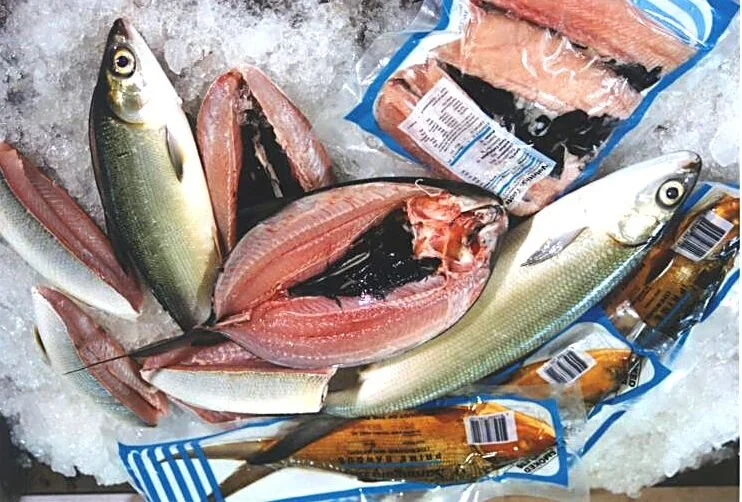
Bangus, Milkfish, < Chanos chanos >
During archaeological fieldwork in the early seventies, my interest in ancient artifacts began to shift toward living cultures, steering my career to cultural anthropology. The dig was in a fishing village, and strolling the beach one morning, I noticed locals squatting over colorful plastic wash basins scattered across the dark sands of Balayan Bay.
Curious about their activity, I asked a young boy what they were doing, and he replied, "Naninirok po." He explained they were ladling something from basins filled with seawater using a makeshift tool—a plastic petrol container fashioned into a deep trowel. Intrigued, I soon learned they were collecting milkfish fry in this traditional manner, searching the basin for nearly invisible fry hidden among debris.
The fry were tiny, mere pinpricks with minuscule black dots on their heads. Even with sharp eyes, I could barely spot their translucent bodies wriggling in the water, but the children had mastered the art, swiftly capturing the fry at the first sign of a ripple. Scooping the fry into small buckets was exhausting, making your eyes cross, mouth water, and body sweat. Asked what they planned to do with the buckets of fry, they said they would sell them to a trader from out of town. I naively asked, "How do you count the fry to determine the price?" With a grin, they answered, "You count the eyes and divide by two." It was a running joke among seasoned seed collectors, keeping outsiders like me at bay.
The practice of collecting milkfish fry played a crucial role in their livelihood, as the fry were grown in cages to provide a valuable protein source for millions of Filipinos. While milkfish is a beloved staple in the Philippines, it comes with a unique challenge: over 200 tiny bones are hidden within its flesh. For many, the experience of eating milkfish involves skillfully navigating these bones, using nimble fingers or the tongue to detect and separate them. The difficulty of dealing with these bones has made the fish less appealing to some, despite its delicious white flesh and fatty belly. However, innovations like deboned milkfish products have greatly improved its marketability. The process of deboning, first popularized by an Iloilo housewife who wanted to make it easier for her family to enjoy, has helped expand milkfish's reach both domestically and internationally, particularly among overseas Filipino communities.
Evolution has shaped milkfish to thrive in both marine and freshwater environments, enabling them to survive for millions of years. These fish date back to the early Cretaceous Period, around 145-65 million years ago, when giant prehistoric creatures roamed the seas. Milkfish (Chanos chanos) is the last surviving member of the Chanidae family from that era, and we still enjoy them today. My daughter, who shares my love for milkfish, tells her four-year-old son, a dinosaur enthusiast, that the fish she eats once swam alongside the colossal Mosasaurus.
Milkfish inhabit the vast Indian and Pacific oceans, venturing into open waters only during spawning season. On warm, moonlit nights, they release 3 to 5 million eggs far from shore, which develop into larvae and drift towards inland lakes or coastal wetlands to grow. Protected by mangroves and estuaries, the young fish mature in plankton-rich waters, eventually forming schools and navigating the intricate coral reefs offshore. As adults, they return to the ocean to spawn, completing the life cycle once more.
In the wild, milkfish can grow up to six feet long and weigh up to thirty pounds, making them a sought-after challenge for anglers. Their acrobatic leaps and twists as they evade capture, combined with their lack of interest in bait, add to their mystique. I was captivated by their agility when I saw them feeding in floating sea cages, where uniform-sized silver blurs competed for artificial feed scattered from catwalks. During harvests in inland ponds, the frenzy was equally intense, with fish corralled by seine nets before being sucked out by a harvesting machine into a tank on a flatbed truck. Some even managed to escape by leaping high over the net.
Milkfish are highly prized, not only as food but also as bait for tuna fishing. Over time, the traditional methods of enjoying milkfish have evolved to address the challenges posed by its numerous bones. The innovation of deboned milkfish products has been a game-changer, particularly for those unfamiliar with navigating the fish's many spines. This transition not only made it easier for consumers, especially those in overseas Filipino communities, to enjoy milkfish without the hassle of bones but also significantly boosted its marketability. Deboned milkfish has become a popular item in Asian supermarkets and mainstream grocery stores, illustrating how traditional foods adapt to modern lifestyles. With modern advancements in aquaculture and international marketing efforts, this ancient fish continues to find a place on our dinner plates.
Photo credit: Sarangani Bay Prime Bangus, Alsons Aquaculture Corporation.