Blogs and Short Essays

Eat Like a Filipino
Watching my German friends sip sinigang and navigate fish sauce was like witnessing a delightful culinary adventure—one spoonful, one laugh, one curious glance at a time. They may have started a bit wary, but by the end, they were pros, balancing broth with rice and embracing the bold flavors. That night, they didn’t just eat sinigang; they got a taste of what it means to eat like a Filipino.

My Brother’s Tasty Legacy
One dish she likely learned from Inang and passed down to my eldest brother Jim is a unique variant of the traditional Tagalog adobo, known as adobong tuyo or "dry adobo." To my mother, however, it was called adobong halo-halo, a name referring to the mixture of organ meats used in the preparation.

A Living Fossil on Our Dinner Plate
These fish date back to the early Cretaceous Period, around 145-65 million years ago, when giant prehistoric creatures roamed the seas. Milkfish (Chanos chanos) is the last surviving member of the Chanidae family from that era, and we still enjoy them today. My daughter, who shares my love for milkfish, tells her four-year-old son, a dinosaur enthusiast, that the fish she eats once swam alongside the colossal Mosasaurus.

The Little Citrus that Could
The calamansi tree offers not only convenience but also a reassuring sense of familiarity, like that of a dear friend. It adds a touch of joy to our morning coffee or lazy afternoon tea. In, out, and around it, chirping finches, scurrying squirrels, flitting hummingbirds, and buzzing yellow jackets transfixes us in the moment.

The Divisive Opinions on Guava Smell
The divisive reactions to guava highlight how a single scent can evoke nostalgia in some while repelling others. What may be putrid to one person could be fragrant and deeply comforting to another. For me, the smell of guava is a reminder of home and the warm and nourishing comfort of a bowl of sinigang.
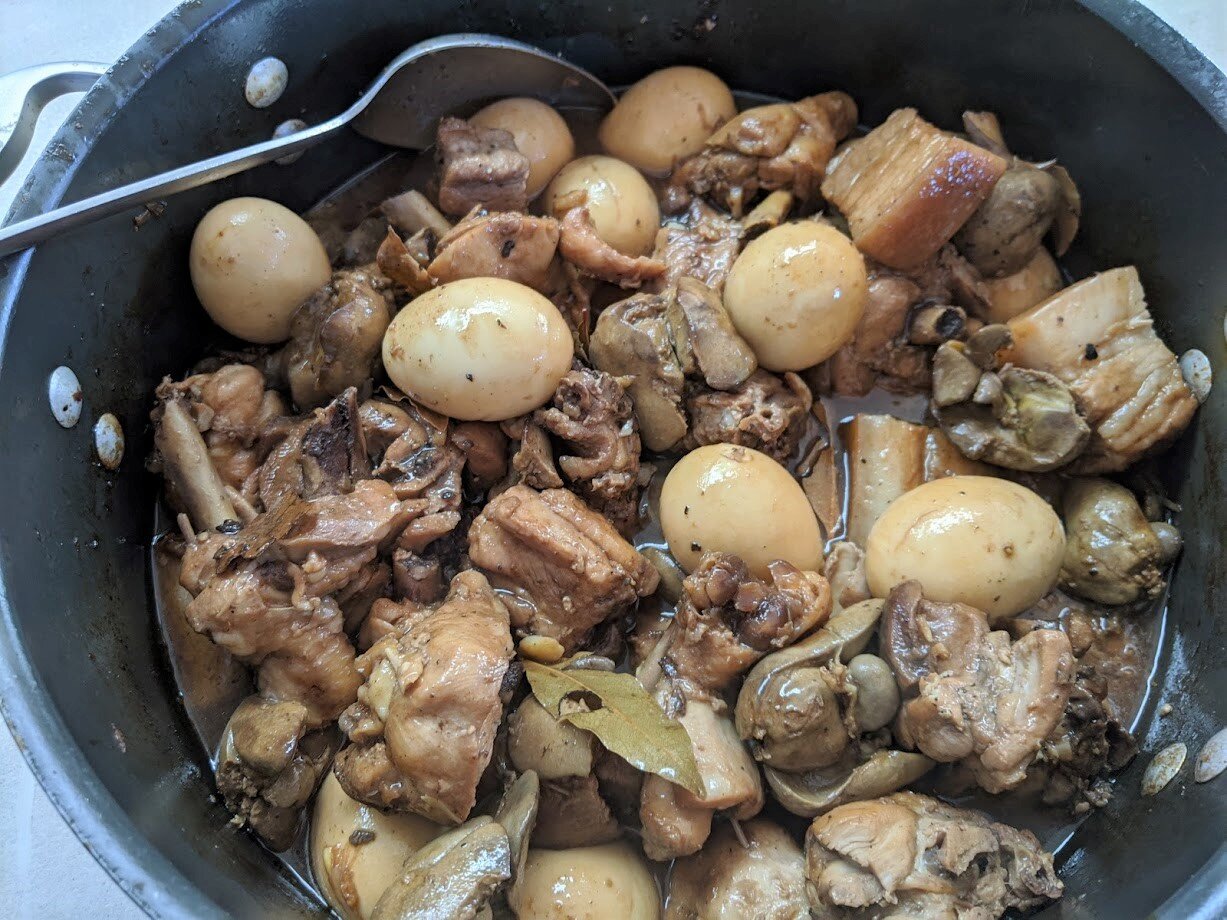
The Sweet Side of Adobo
In our household, we favor a blend that fuses Tagalog adobo with the Visayan humba. Humba is based on the Chinese hong-ba, a pork stew that adds black beans and muscovado sugar to the standard adobo mix. This adaptation is simmered until the pork is crumbly tender, creating a thick, sticky sauce that coats cuts of chicken, pork, hard boiled eggs, and chicken liver. The result is a balanced flavor profile of sour, bitter, and salty, with a distinct leaning toward a rich, mellow sweetness.
Video Gallery

Happy 250th Birthday, America!